10 Cleaning Hacks That Save Time and Money
Last updated: August, 2026
Author: Michael Flores — Empire Office Cleaning (residential cleaning tips)

DIY cleaners & reusable bottles
The fastest way to save time and money cleaning your home is to make one concentrated all-purpose cleaner from vinegar, water, and dish soap, refill reusable spray bottles instead of buying single-use cleaners, and run a 15-minute daily reset instead of one long weekly deep clean.
By Michael Flores | Last updated: [August 2026] | 8 min read
Busy homeowners want fast, effective cleaning that doesn't break the bank. These 10 hacks use inexpensive pantry ingredients — vinegar, baking soda, and hydrogen peroxide — plus reusable bottles and a few affordable tools, so you clean smarter, not harder. Each one includes a simple recipe, why it works, and a time-saving tip. Safety notes are at the bottom — read those before you mix anything.
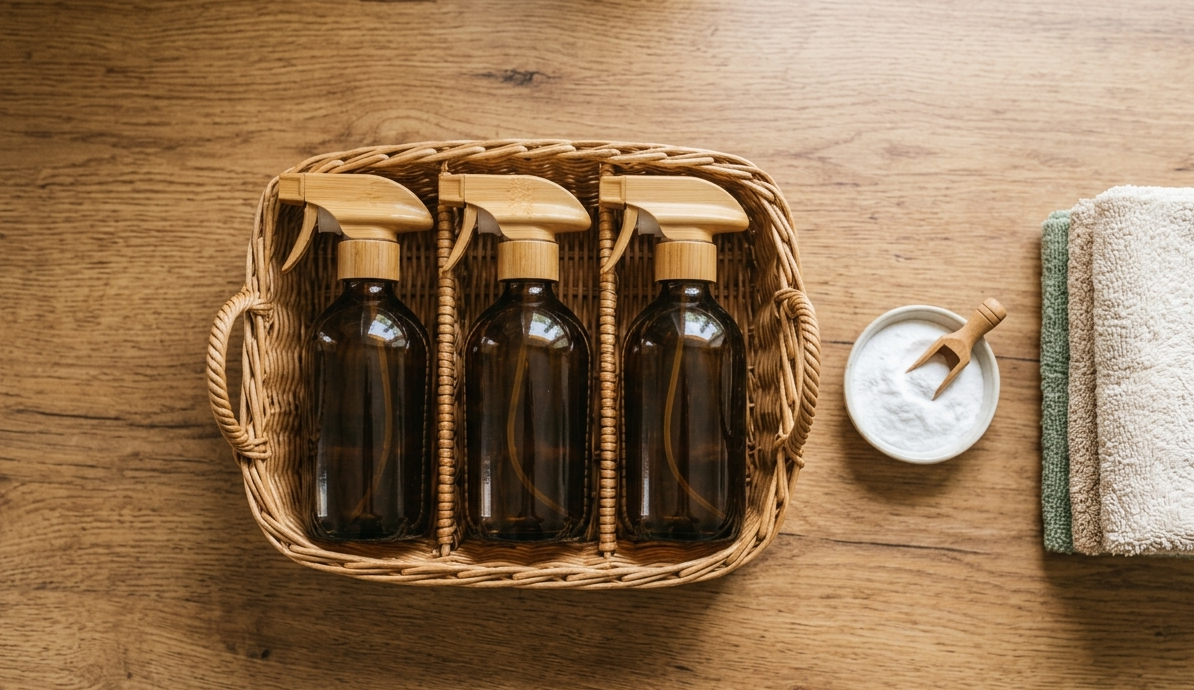
Hack 1 — Make a multi-surface DIY cleaner (1 bottle for most rooms)
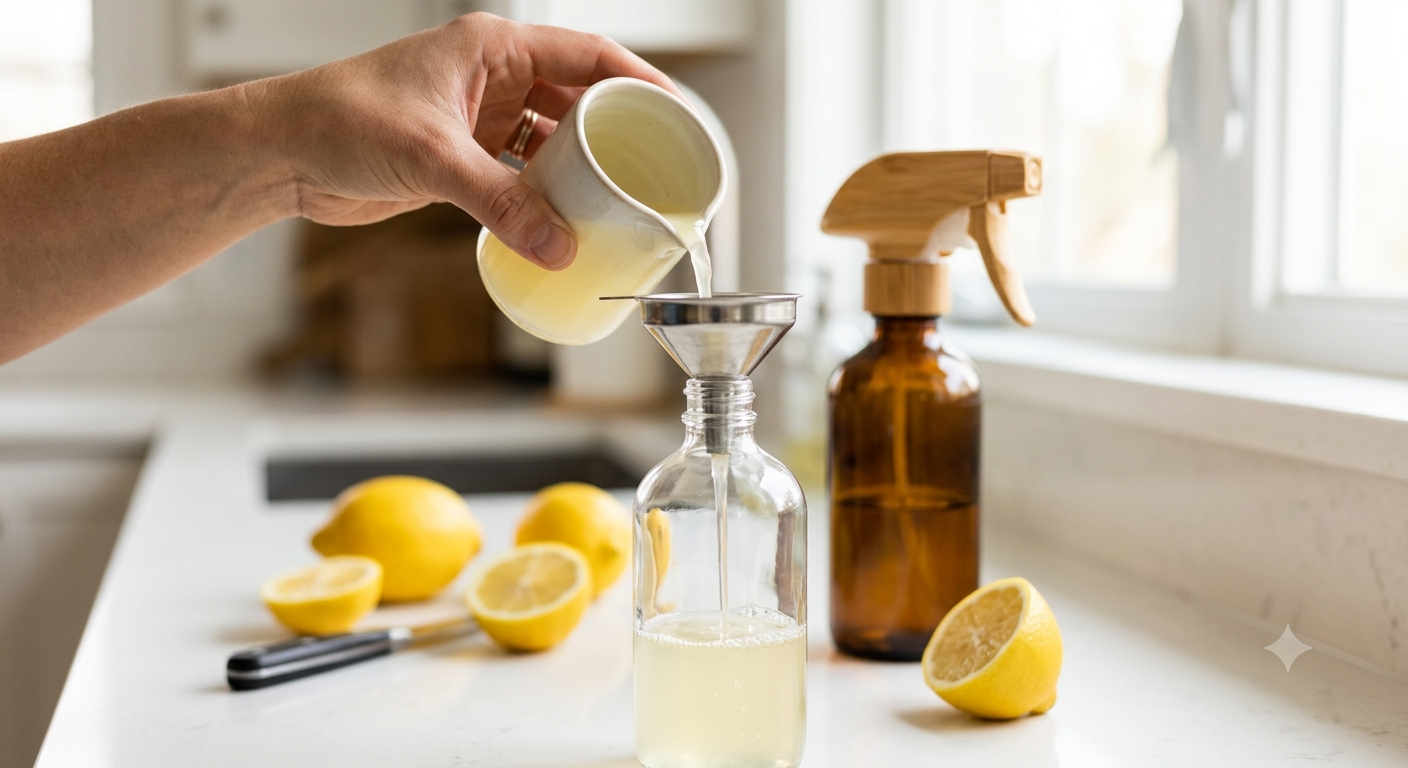
Recipe: 2 cups water + 1 cup white distilled vinegar + 1 tsp liquid dish soap + 10 drops lemon or tea tree oil. Mix in a reusable spray bottle.
Why it works: Vinegar cuts grease and dissolves mineral deposits; dish soap lifts grease; essential oils help deodorize. Avoid vinegar on natural stone and waxed wood. Better Homes & Gardens+1
Time-saving tip: Use this bottle for countertops, baseboards, and interior doors — cut down steps by using one all-purpose spray.
Products to look for: heavy-duty 16 oz refillable spray bottle (plastic or glass) — look for chemical-resistant nozzles.
Hack 2 — Fast glass & mirror cleaner (streak-free)
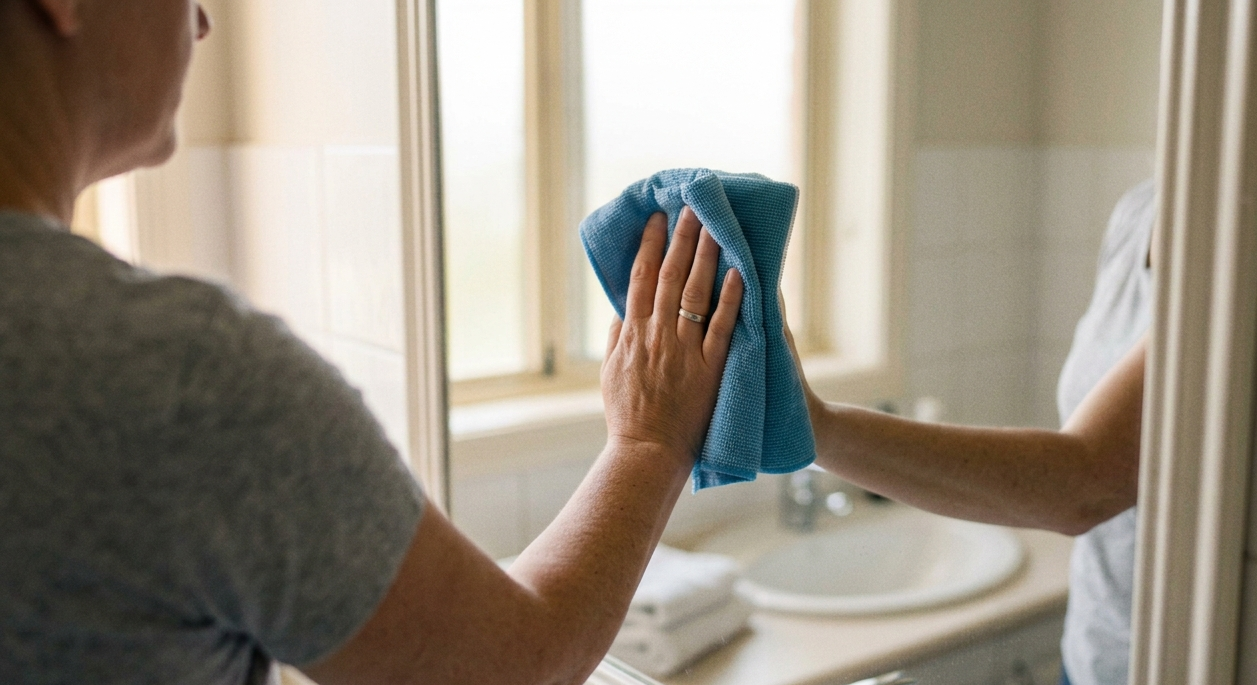
Recipe: 1 part white vinegar + 1 part distilled water. Optional: 1/2 tsp rubbing alcohol for faster drying.
How to use: Spray lightly and wipe with a microfiber cloth for streak-free results. Newspaper is an old trick, but microfiber reduces lint and time. Clean My Space
Products to look for: microfiber glass cloths + refillable spray bottle. (Microfiber is inexpensive and reusable.)
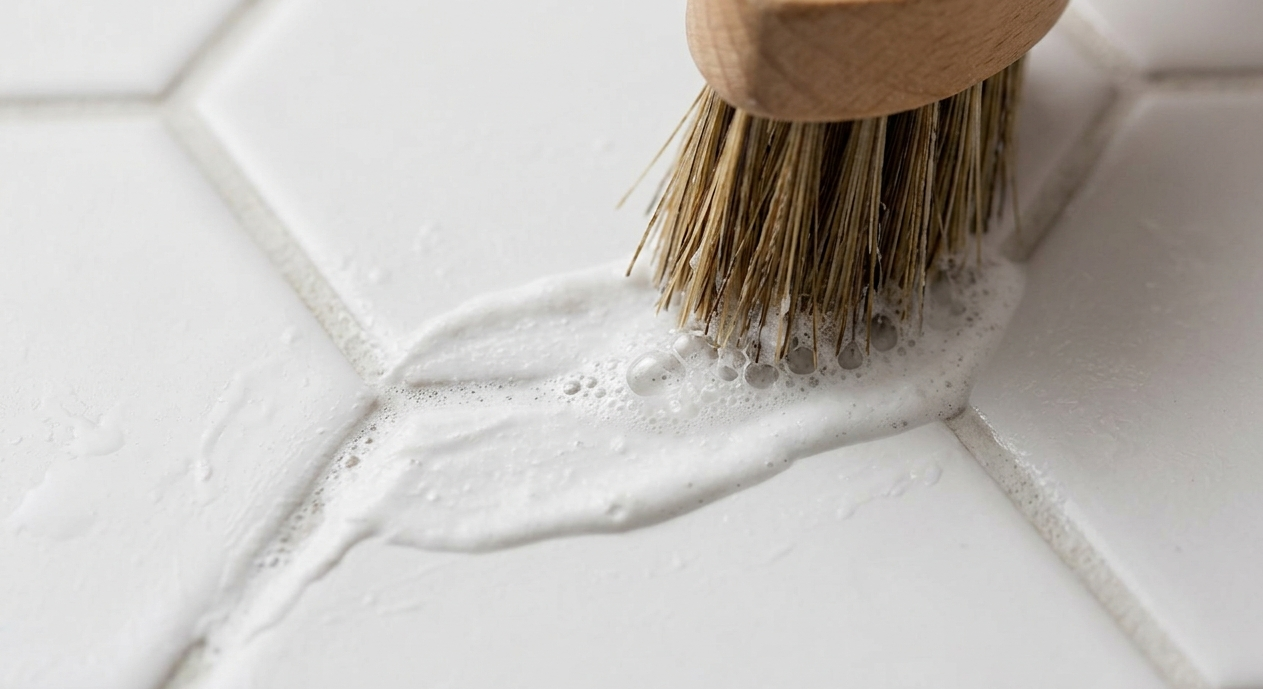
Hack 3 — Baking soda paste for grout & stubborn spots
Recipe: Sprinkle baking soda on grout or stained area, spray a little water or hydrogen peroxide to form a paste, let sit 5–10 minutes, scrub with a brush, rinse.
Why it helps: Baking soda is abrasive enough to lift stains without harsh chemicals; hydrogen peroxide adds mild bleaching action for organic stains. Safe for most grout and porcelain. onegoodthingbyjillee.com
Time-saving tip: Use a short-handled grout brush and keep a paste jar in a cleaning caddy for quick touch-ups.
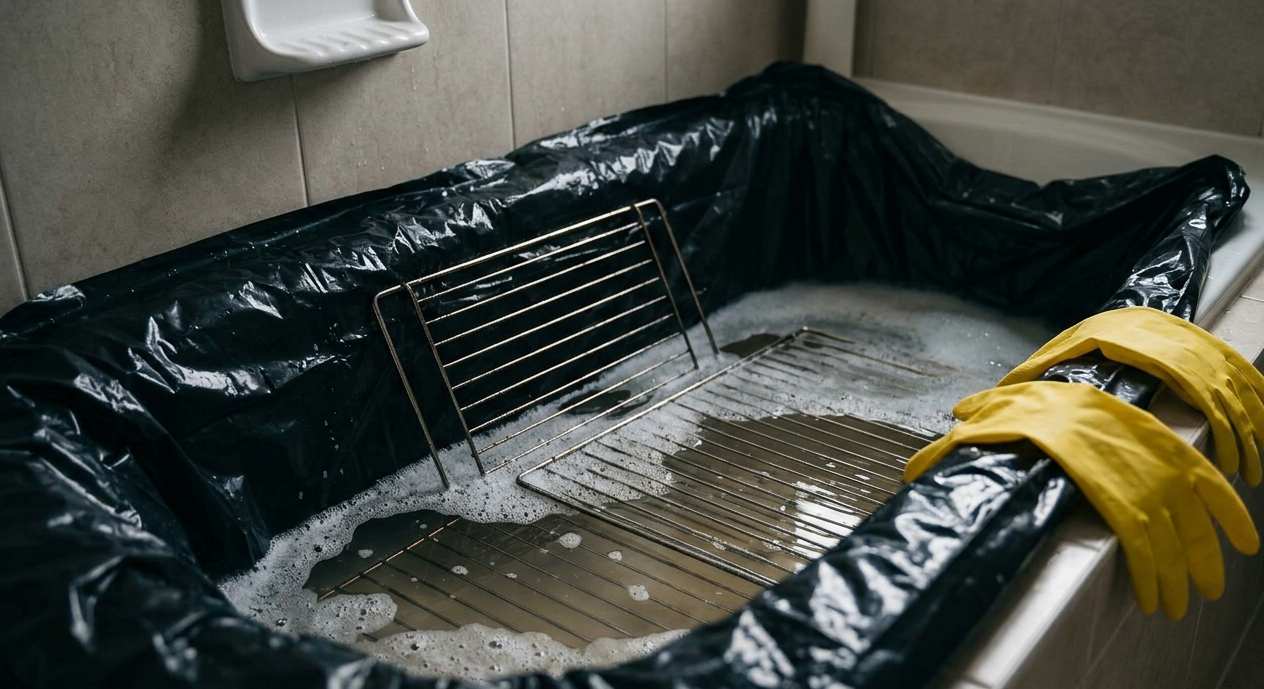
Hack 4 — Clean oven racks in one go (no elbow grease)
Method: Line a bathtub or large tub with heavy-duty trash bags, submerge racks, sprinkle with baking soda, pour 2–3 cups hot water + 1 cup vinegar, soak overnight, rinse and dry.
Why it saves money/time: Soaking dissolves burnt-on grease so you avoid buying expensive oven cleaners or spending hours scraping.
Products to look for: disposable gloves, heavy-duty trash bags.
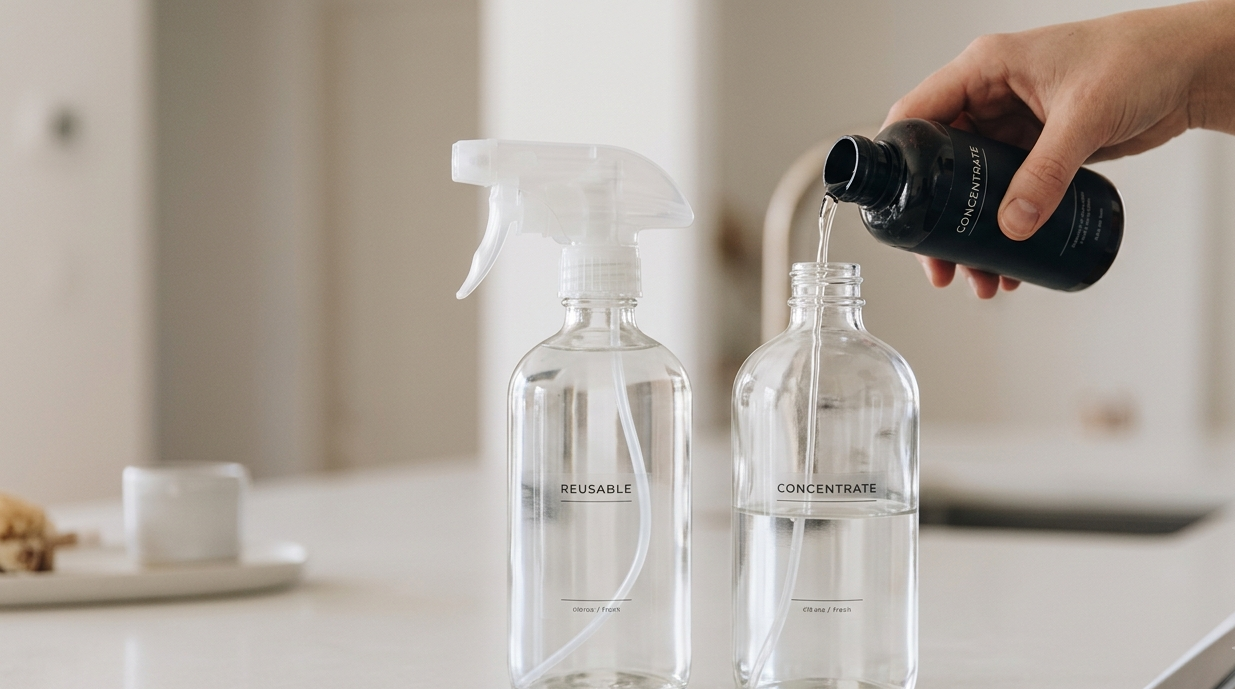
Hack 5 — Refillable concentrated cleaner to save money
How: Buy concentrated all-purpose cleaner or make a concentrated DIY formula and dilute into reusable refill bottles. Concentrates reduce packaging waste and per-clean cost. Consumer testing shows concentrated products often perform as well when diluted per instructions. Consumer Reports
Products to look for: concentrate + set of 2 refillable bottles
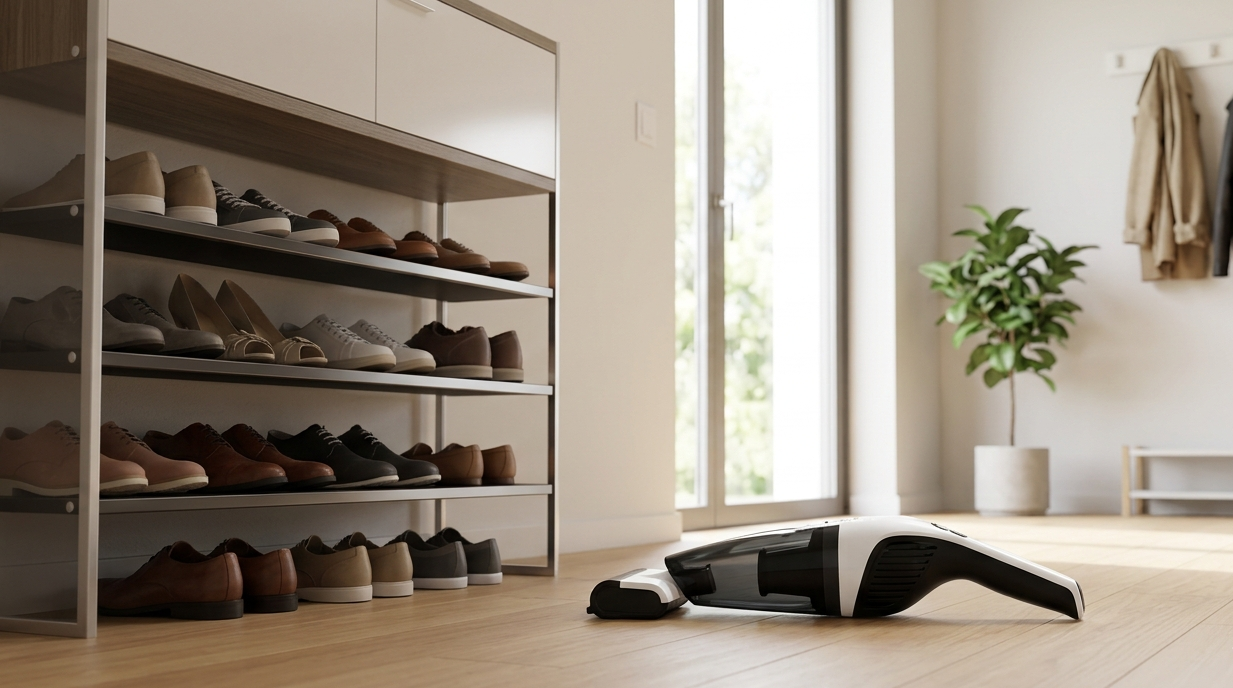
Hack 6 — Speed-vac routine: 2-minute daily maintenance
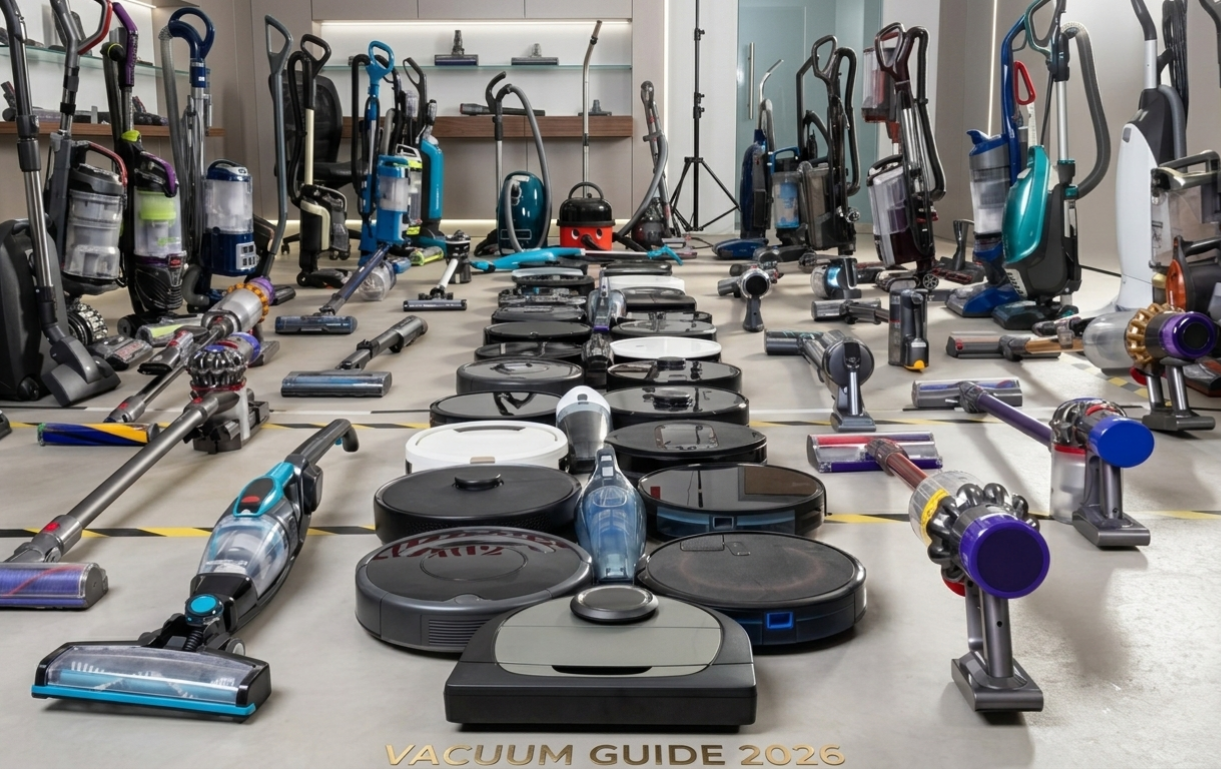
Routine: Quick run with a handheld or lightweight stick vacuum across high-traffic zones (entry, kitchen, living room) daily to prevent dirt buildup. This saves hours of deep cleaning later. Recent gear reviews favor compact cordless handhelds for quick cleanups. Better Homes & Gardens
Products to look for: compact handheld vacuum or lightweight stick (look for washable filters and crevice tools).
Hack 7 — Reuse old spray bottles and label them
Practice: Clean empty commercial spray bottles, rinse well, and reuse for DIY cleaners (label clearly). Reusing reduces cost and plastic waste. Use permanent labels or waterproof tags.
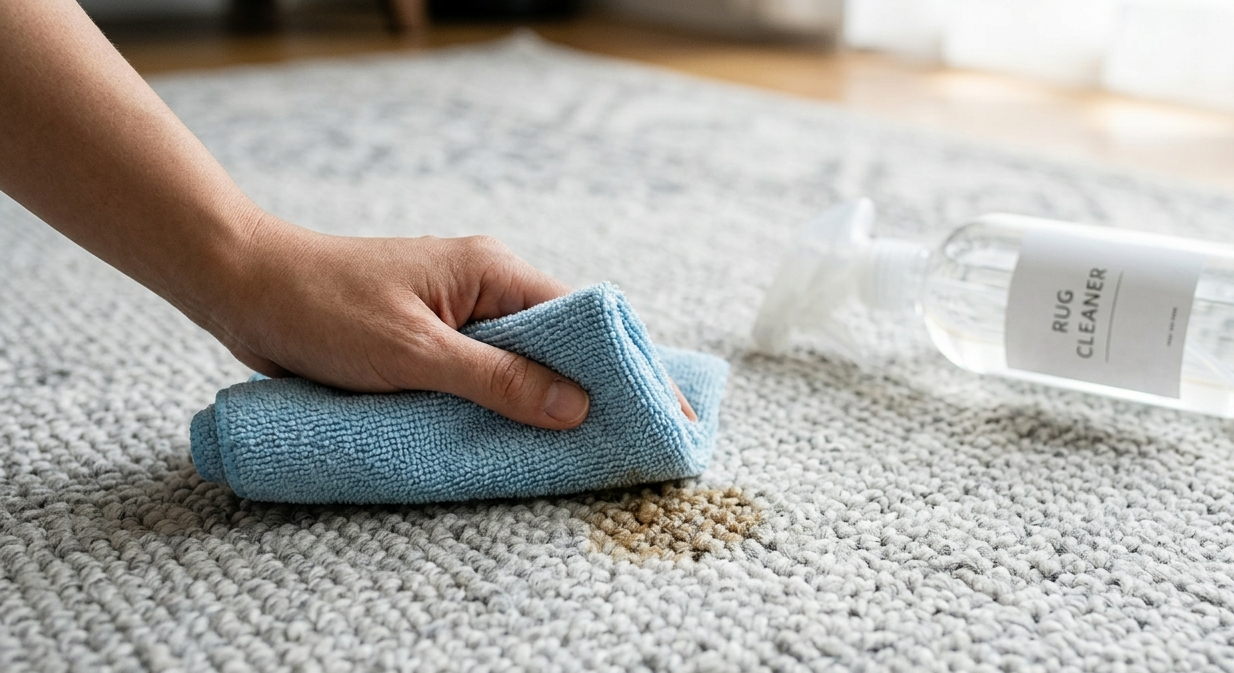
Hack 8 — Quick microfiber + enzyme spot treatment for carpets & upholstery
Recipe: For spots, use a blotting microfiber towel and an enzyme spray (store-bought or homemade with dilute dish soap + water for fresh spills). For stubborn spots, use a portable spot cleaner (compact machines are inexpensive and useful). Bissell compact spot cleaners are often recommended for households with kids/pets. Homes and Gardens
Time-saving tip: Treat spills immediately — blot first, then apply cleaner — prevents rewashing whole rug later.
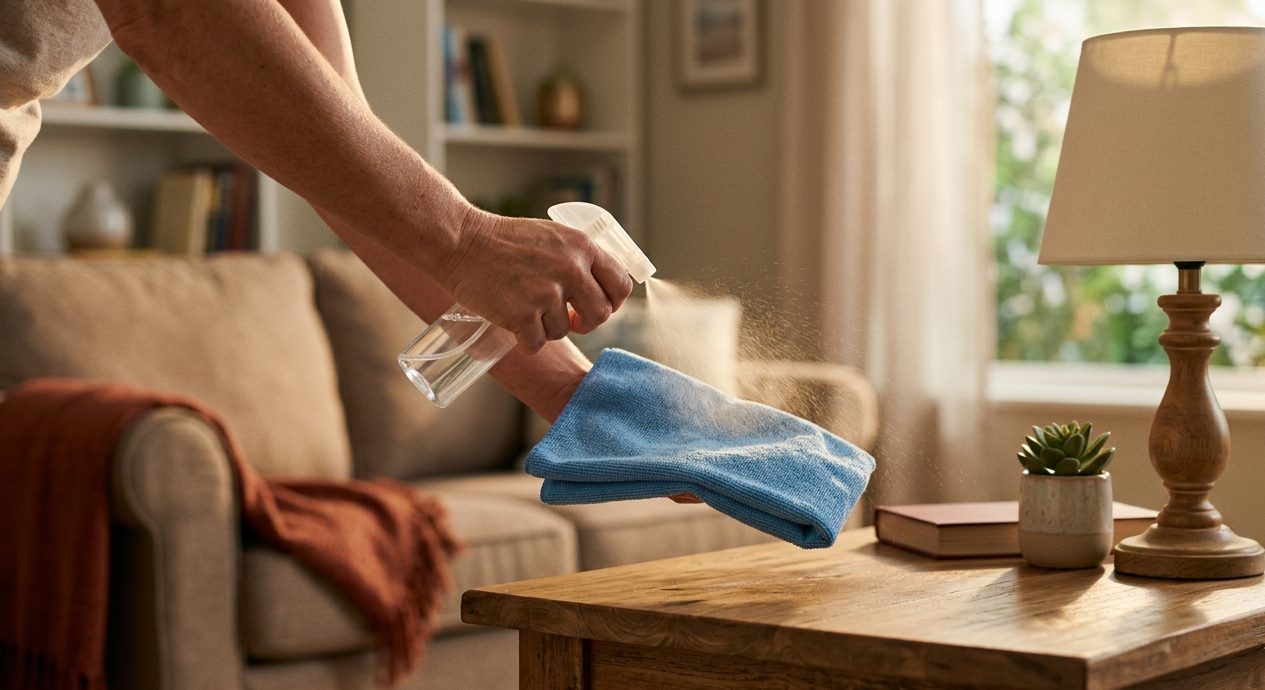
Hack 9 — DIY dusting spray for electronics & furniture
Recipe: 1 cup distilled water + 1 tsp olive oil or 1 tsp white vinegar (for a quick dusting, olive oil adds shine; use sparingly for electronic-safe dusting). Spray on microfiber and wipe. Avoid liquid directly on screens.
Products to look for: small, refillable trigger bottle and a pack of microfiber dusting cloths.
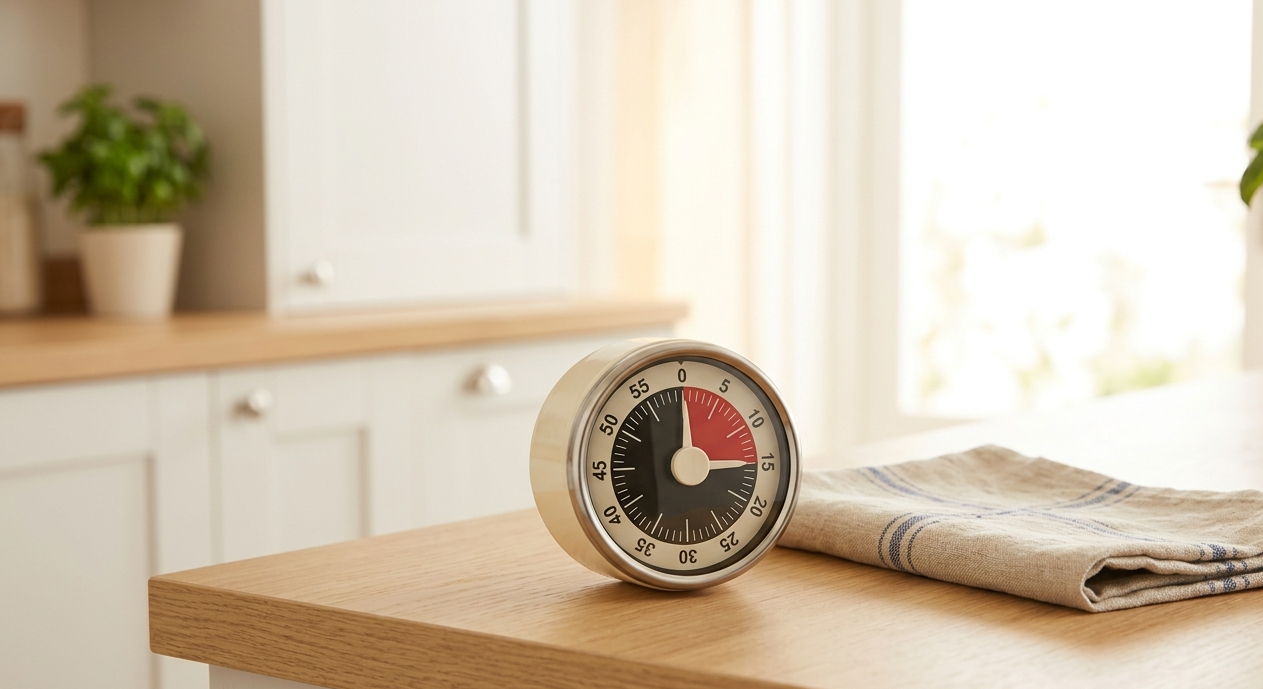
Hack 10 — Build a “15-minute Sunday reset” system
Method: Pick three basins: tidy, quick wipe, vacuum. Set a 15-minute timer and attack the highest-impact areas (kitchen counters, living room clutter, bathroom sink). Small, frequent resets prevent big weekend projects and reduce need for paid deep cleans. Cleaning pros advise consistent short routines for longevity and budget savings. Clean My Space
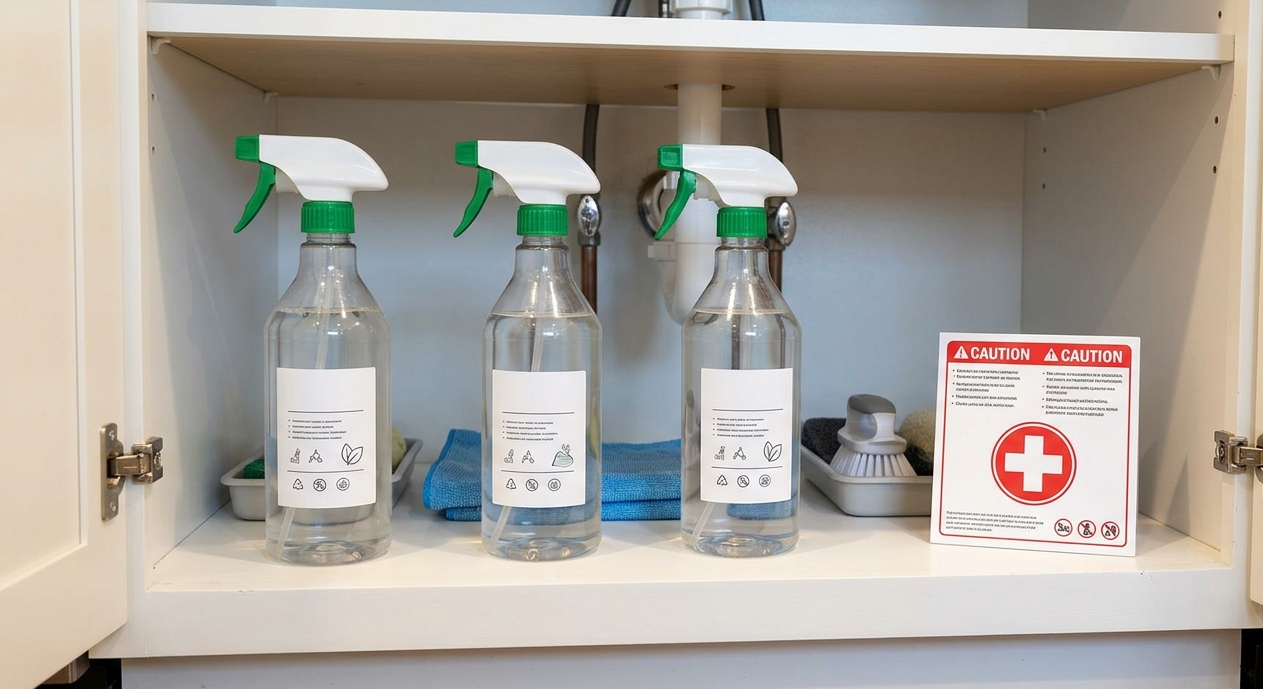
Quick safety notes & surface warnings
Never mix bleach with ammonia, vinegar, or hydrogen peroxide. Bleach combined with an acid (including vinegar or hydrogen peroxide) can release chlorine gas, which irritates the eyes, throat, and lungs even in small amounts. Only dilute bleach with water.
Don't mix vinegar and hydrogen peroxide together, even for "extra power." Combined, they form peracetic acid, which is corrosive to skin, eyes, lungs, and some surfaces. Use one or the other, never both in the same bottle.
Avoid vinegar on granite, marble, and waxed or unsealed wood. Vinegar is acidic enough to etch natural stone and dull wood finishes over time. Use a pH-neutral cleaner or plain dish soap and water on those surfaces instead.
If you ever notice a sharp or unusual smell after mixing cleaning products, stop immediately, leave the area, and ventilate — don't try to identify the smell up close.
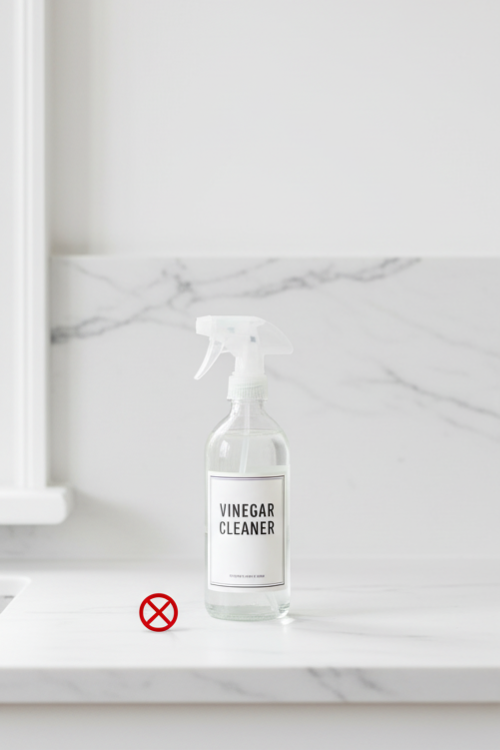
What surfaces should you NOT use vinegar on?
Vinegar is amazing for cleaning—but not on everything. Avoid vinegar on granite, marble and finished wood or waxed wood floors. Vinegar can dull or damage these surfaces. Use a pH-neutral cleaner or mild dish soap and water instead.
FAQ
Is it safe to mix vinegar and baking soda for cleaning? Yes, vinegar and baking soda are safe to mix, but they mostly neutralize each other and fizz — the fizzing action can help lift light grime, but for tough stains it's more effective to apply baking soda paste first, let it sit, then rinse rather than combining both at full strength.
What surfaces should you not use vinegar on? Avoid vinegar on granite, marble, and waxed or unsealed wood, since its acidity can etch natural stone and dull wood finishes. Use a pH-neutral cleaner or mild dish soap and water on those surfaces instead.
Can you mix hydrogen peroxide and vinegar? No. Mixing hydrogen peroxide and vinegar creates peracetic acid, which is corrosive to skin, eyes, and lungs and can damage some surfaces. Use them separately, never combined in one bottle.
Why should you never mix bleach with other cleaners? Bleach reacts with ammonia, vinegar, and hydrogen peroxide to release chlorine or oxygen gas, which can cause respiratory irritation and, in enclosed spaces, a dangerous buildup of fumes. Bleach should only ever be diluted with water.
What is the best homemade all-purpose cleaner? A simple homemade all-purpose cleaner is 2 cups water, 1 cup white vinegar, 1 teaspoon liquid dish soap, and a few drops of lemon or tea tree oil, mixed in a reusable spray bottle — effective on most kitchen and bathroom surfaces except natural stone and waxed wood.
How often should you deep clean your house? Most homes stay in good shape with a daily 2-minute high-traffic vacuum, a weekly 15-minute reset covering kitchen, living room, and bathroom, and a full deep clean every 1–3 months depending on household size and pets.
Are concentrated cleaners actually cheaper? Yes — concentrated cleaners cost less per use than ready-to-use sprays because you're paying less for water and packaging, and diluting them correctly per the label gives comparable cleaning performance.
About The Author
This guide is written from real, hands-on commercial cleaning experience, not recycled from someone else's blog. Michael Flores has spent fifteen years in the cleaning industry and runs Empire Office Cleaning, a fully insured and bonded janitorial company in Buffalo, New York.